


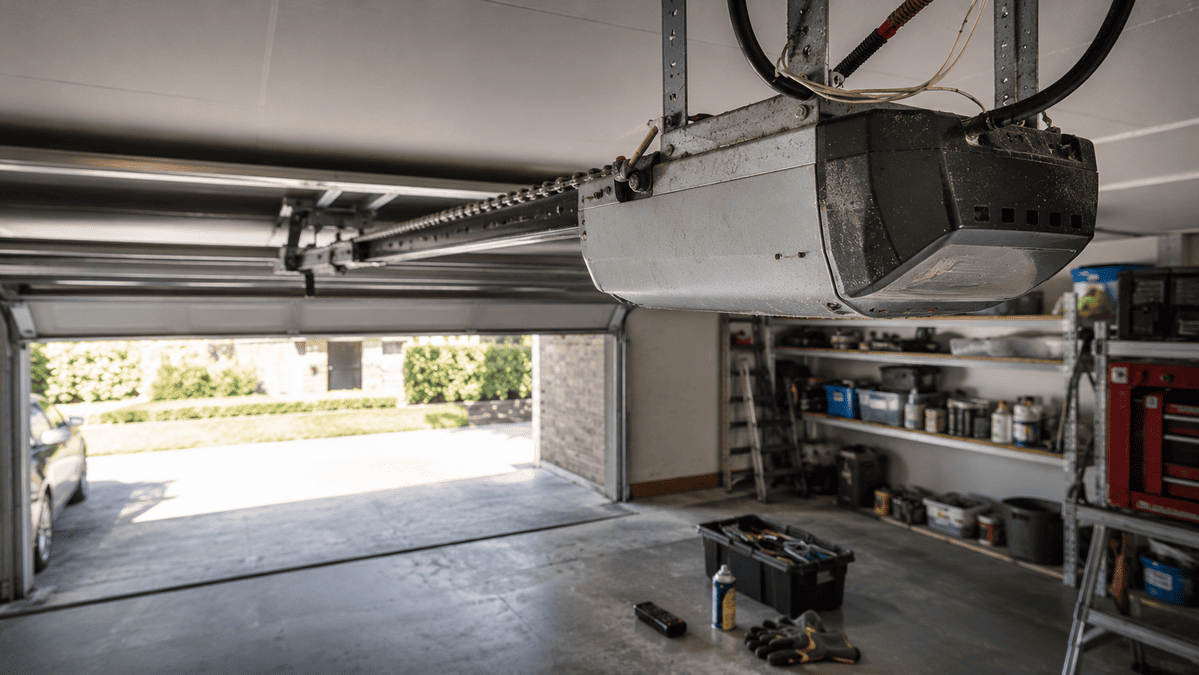
Your garage door motor does more work than you probably realise. It lifts heavy panels, manages smooth movement, and handles daily wear without complaint, until one day it doesn’t.
And when it fails, it usually picks the worst possible time. Early morning. Late at night. During rain. Humans and machines share one talent: terrible timing.
If you’ve been searching for Garage Door Motors, there’s a good chance your system has started showing signs of trouble. This guide will help Australian homeowners spot those warning signs early, understand what they mean, and know when it’s time for repairs or replacement.
Because a garage door motor rarely just “stops” without giving hints first.
Quick Overview
Here’s the short version if your coffee is getting cold:
- Strange noises can signal worn gears or motor strain.
- Slow opening or closing often means the motor is struggling.
- Inconsistent movement can point to electrical issues.
- A burning smell is never a good sign.
- Frequent reversals may mean sensor or motor control problems.
- Older motors become less reliable over time.
Spotting these signs early can save you from a complete garage door breakdown.
Want the full breakdown? Keep reading.
1. Your Garage Door Motor Is Making New or Louder Noises
Garage door motors make noise, sure. But they shouldn’t sound like they’re blending rocks.
If you notice:
- Grinding
- Clicking
- Buzzing
- Popping
…it could mean internal components are wearing out.
Common causes include:
- Worn gears
- Loose chains
- Motor bearing wear
- Misaligned drive systems
Pro Tip:
A sudden change in sound is often more important than the noise itself. If it’s getting louder, something is getting worse.
Like most life problems, really.
2. The Door Is Moving Slower Than Usual
A healthy garage door motor should open and close at a steady speed.
If your garage suddenly feels sluggish, the motor may be under strain.
Possible reasons:
- Ageing motor components
- Lack of lubrication in moving parts
- Spring imbalance forcing the motor to work harder
- Electrical inefficiency
Australian weather, especially heat in summer, can speed up wear on older motors.
Bold fact: Heat and dust are silent killers for garage door motors.
And in Australia, we’ve got plenty of both.
3. It Stops Midway or Struggles to Finish
This is one of the clearest warning signs.
If the motor starts the job but gives up halfway, it may be dealing with:
- Overheating
- Internal circuit faults
- Sensor issues
- Power supply inconsistencies
A garage door motor that stops midway isn’t just inconvenient. It can also compromise your home’s security.
Half-open garage doors are basically invitations for spiders. And worse, burglars.
4. The Motor Feels Hot or Smells Like Burning
Motors naturally warm up. That’s normal.
But if it’s too hot to touch or you smell burning plastic or wires, switch it off immediately.
This could mean:
- Overloaded circuits
- Failing internal wiring
- Motor burnout
- Excess friction
Did You Know?
Most garage door motor failures happen because the motor has been compensating for another issue, like bad springs or poor balance.
The motor ends up doing all the work. Like one employee in every office.
5. Your Remote Works… Sometimes
Intermittent response is frustrating.
One day it opens. The next day it ignores you.
This might point to:
- Receiver issues
- Signal interference
- Faulty logic board
- Weak internal power systems
Try replacing the batteries first.
If the issue continues, the problem may be inside the motor unit itself.
Because sadly, not everything in life can be fixed with fresh batteries.
6. The Motor Is More Than 10 Years Old
Garage door motors don’t last forever.
On average:
- Standard motors last 10–15 years
- High-use motors may wear out sooner
Older systems often show:
- Reduced power
- Slower response
- More frequent faults
- Less energy efficiency
Newer garage door motors now offer:
✔ Smart phone control
✔ Quieter operation
✔ Better security features
✔ Battery backup options
Technology moves on. Unlike your old motor, apparently.
Quick Guide: What to Do If Your Garage Door Motor Is Acting Up
Imagine your garage door suddenly becomes unreliable. Some mornings it opens fine. Other days it stops halfway, makes weird noises, or simply refuses.
It’s not fully dead yet, but it’s clearly plotting something.
Common Challenges
- Is the motor failing or is it another part?
- Should you repair it or replace it?
- Can you keep using it safely?
How to Solve It
Check the Basics
Test remote batteries, inspect sensors, and check for obstructions.
Listen Carefully
New noises often reveal internal wear before full failure.
Test Manual Operation
Disconnect the opener. If the door feels heavy, the issue may be the springs, not the motor.
Book a Professional Inspection
A technician can quickly diagnose whether repair or replacement makes more sense.
Why It Works
Catching motor issues early reduces repair costs, improves safety, and helps avoid total system failure.
Quick Quiz: Is Your Garage Door Motor in Trouble?
Answer yes or no:
✔ Is your garage door slower than usual?
✔ Is it making strange noises?
✔ Does it stop halfway?
✔ Does the remote work inconsistently?
✔ Is the motor over 10 years old?
Your Results:
0–1 Yes:
Likely okay, but keep monitoring.
2–3 Yes:
Time for a service check.
4–5 Yes:
Your motor may be nearing failure. Get it inspected.
Congratulations, your garage door just got a performance review.
FAQs About Garage Door Motors
How long should garage door motors last?
Most last between 10 and 15 years, depending on use and maintenance.
Heavy daily use can shorten lifespan.
Can a garage door motor be repaired?
Yes, in many cases.
Repairs may include:
- Gear replacement
- Circuit board fixes
- Chain or belt adjustments
- Sensor repairs
But if the motor is old, replacement might be more cost-effective.
What’s better: chain drive or belt drive?
It depends.
Chain drive:
- Strong
- Affordable
- Noisier
Belt drive:
- Quieter
- Smoother
- Usually more expensive
Think ute versus luxury sedan.
Why does my garage door motor keep overheating?
This often happens when:
- Springs are unbalanced
- The motor is ageing
- Tracks are dirty
- Components are under strain
Overheating is a serious warning sign.
Should I replace my motor or the whole system?
If the door itself is still in good shape, replacing only the motor can be a smart option.
A technician can assess whether the rest of the system is worth keeping.
Conclusion
Garage door motors rarely fail out of nowhere. They usually show warning signs first, from unusual noises and slower movement to overheating and unreliable remote response. Paying attention to these signs can help you avoid sudden breakdowns, expensive emergency repairs, and unnecessary stress.
For Australian homeowners, regular servicing and early inspections can make a big difference, especially with the heat, dust, and daily wear most systems face. If your garage door motor has been acting differently, don’t wait until it stops completely. A quick check today could save you a much bigger problem tomorrow.
And possibly save your morning routine from complete chaos.


Leave a Reply