


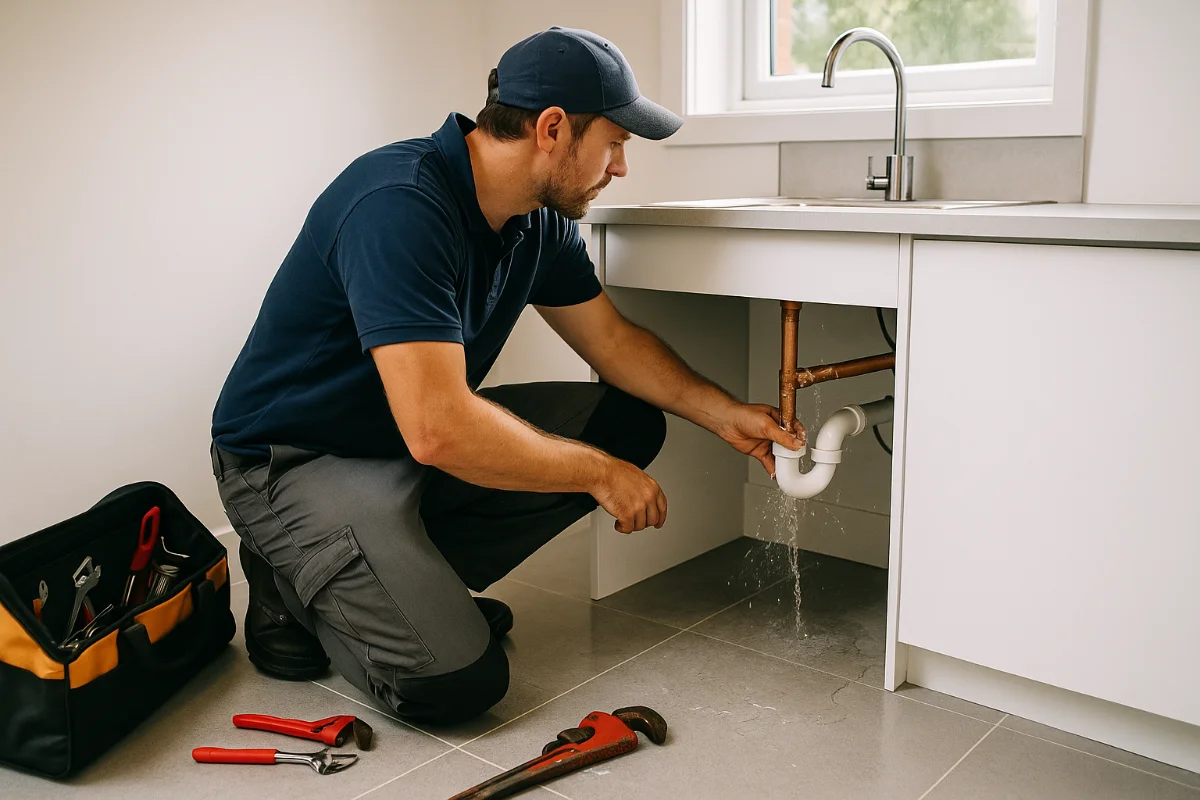
A burst pipe flooding the hallway. A sparking power point. A broken hot water system in the middle of winter. If you rent in Australia, urgent repairs can be stressful, confusing and sometimes unsafe. The good news? Every Australian tenant has clear legal rights, and every landlord has mandatory responsibilities when urgent repairs are involved.
This guide breaks down urgent repairs rental Australia in a simple, practical way — what counts as urgent, who pays, how quickly repairs must happen, and what to do if your landlord or agent isn’t responding. No legal jargon. No guesswork. Just real-world clarity so you know exactly what to do next.
Quick Overview (Snapshot Summary)
At a Glance
- Urgent repairs include issues that are dangerous, unsafe, or prevent the property from being liveable.
- Landlords must act immediately for urgent repairs — laws vary slightly by state but are consistent in principle.
- Tenants must report urgent issues promptly.
- If the landlord doesn’t respond within a reasonable timeframe, tenants may be able to arrange repairs themselves and be reimbursed.
- Documentation is essential.
Want the full breakdown? Keep reading.
1. What Are Urgent Repairs in Australia?
Each state and territory has its own Residential Tenancies Act, but their definitions of urgent repairs are very similar.
Common Examples of Urgent Repairs (Australia-wide)
- Burst or broken water service
- Flooding or serious water leaks
- Serious roof leaks
- Dangerous electrical faults
- Blocked or broken toilet (when only one toilet is in the home)
- Gas leaks
- Broken or faulty hot water service
- Heating or cooling failure (varies by state)
- Faulty locks or security issues
- Serious structural problems
- Fire, storm or impact damage
State/Territory Definitions
These follow the official government tenancy authorities:
- NSW (Fair Trading) lists urgent repairs including burst pipes, gas leaks, dangerous electrical faults, and breakdown of essential services.
- VIC (Consumer Affairs) defines urgent repairs such as heating failure, structural damage, blocked toilets, and gas leaks.
- QLD (RTA) includes dangerous faults, burst water services, and essential service breakdowns.
- WA, SA, TAS, NT, ACT all provide similar definitions.
These are not “nice to fix” issues — they are safety-critical or essential service failures.
2. Rights & Responsibilities: Tenants vs. Landlords
2.1 Tenant Rights (Australia-Wide)
As a tenant, you have the right to:
- Live in a safe, functional and habitable home
- Request urgent repairs at any time
- Have urgent repairs carried out as soon as practicable
- Be reimbursed for authorised urgent repair costs (within legal limits)
- Escalate the issue to the tenancy authority or tribunal if ignored
2.2 Tenant Responsibilities
Tenants must:
- Report urgent repairs immediately
- Use emergency tradespeople only if authorised (state rules vary)
- Not intentionally damage property
- Keep evidence: photos, receipts, emails, messages
Failing to report an urgent issue fast can affect your bond or legal rights.
2.3 Landlord Responsibilities
Landlords must:
- Respond to urgent repair requests immediately
- Arrange licensed tradespeople
- Pay for all urgent repairs (unless the tenant caused the damage)
- Reimburse tenants promptly for authorised urgent repair costs
In most states, if the landlord doesn’t act, the tenant can get repairs done up to a certain cost cap (e.g., $1,000–$1,800 depending on the state).
3. How Quickly Do Urgent Repairs Need to Be Done? (By State)
Timeframes differ slightly, but the expectation is immediate action.
NSW – Fair Trading
Landlords must arrange urgent repairs as soon as possible.
VIC – Consumer Affairs
Urgent repairs must be addressed immediately. Tenants may arrange repairs if the landlord doesn’t take action.
QLD – RTA
Repairs must be made “within a reasonable timeframe”, usually meaning immediate communication and swift action.
WA / SA / TAS / NT / ACT
All require immediate or urgent action and allow tenants to organise repairs if the landlord fails to respond promptly.
4. What to Do When Something Urgent Breaks (Step-by-Step)
Step 1 — Document the issue
Take photos, videos, voice notes.
Clearly show damage, safety risks or water leaks.
Step 2 — Contact the landlord or agent immediately
Send a text AND email:
- Use the word “URGENT REPAIR”
- Provide photos
- State the need for immediate action
Step 3 — Follow up with a phone call
Urgent repairs require real-time contact.
Step 4 — Know your rights if they don’t respond
If the landlord fails to act, you may be able to:
- Contact an emergency tradesperson from the approved list
- Arrange the repair up to the allowed limit
- Claim reimbursement
Step 5 — Keep all receipts
Government tenancy bodies require proof before reimbursement.
Pro Tip Box
Pro Tip: Save your state’s emergency tradesperson list (often provided in your lease) in your phone. When something bursts at 1am, you don’t want to be Googling.*
5. What Not to Do (Avoid These Mistakes)
- Don’t attempt complex repairs yourself
- Don’t delay reporting — this can reduce your bond
- Don’t pay for expensive repairs without checking state rules
- Don’t ignore electrical faults — EVER
- Don’t use unlicensed tradespeople
6. Quick Guide: What to Do When Your Hot Water System Breaks
Intro
It’s 8pm. You turn on the shower. Ice water hits you. Congratulations, you now have an urgent repair.
Common Challenges
- “Will the landlord take forever?”
- “Can I call a plumber myself?”
- “How do I get reimbursed?”
How to Solve It
1. Report immediately
Send photos of the system, model number, error codes.
2. Ask for an immediate update
Agents may call their plumber instantly.
3. If no response
Depending on your state, you may call a licensed emergency plumber.
4. Keep receipts + evidence
Submit for reimbursement.
Why It Works
Hot water is classed as an essential service across Australia — urgency is built into the law.
7. Did You Know?
A blocked toilet is ONLY an urgent repair if it’s the only toilet in the home.
In most states, tenants can organise repairs if ignored, up to legal caps.
Landlords must reimburse within 7–14 days depending on the state.
Agents cannot refuse urgent repairs because of “budget” or “availability.”
8. Interactive Quiz: How Prepared Are You for an Urgent Repair?
1. Do you know where your meter box, water shut-off, and gas isolation valve are?
A. Yes
B. Kind of
C. No idea
2. Do you have your landlord/agent emergency number saved?
A. Yes
B. I can find it
C. Not sure
3. Do you know what counts as an urgent repair?
A. Absolutely
B. Some
C. Not really
Results:
- Mostly A’s → You’re ready for anything
- Mostly B’s → You’ll be fine with a few tweaks
- Mostly C’s → This guide will save your sanity
9. FAQs
Q1: Can a landlord refuse urgent repairs?
No — the law requires immediate action. If ignored, tenants may take further steps.
Q2: Can I get reimbursed for calling my own tradie?
Yes, if:
- The repair is legally classified as urgent
- Landlord failed to act
- You used a licensed professional
- The repair cost is within the legal cap
Q3: What if the urgent repair is due to my damage?
You may need to pay all or part of the cost.
Q4: How fast must repairs be fixed?
As quickly as possible. “Immediate action” is the standard in all states.
Q5: Can I break the lease if repairs aren’t done?
In extreme cases, yes — tribunals can allow lease termination.
Conclusion
Urgent repairs can be stressful, but knowing your rights and responsibilities makes a huge difference. Across Australia, tenants are protected by strong laws that ensure essential services and safety issues are dealt with promptly. By documenting the issue, reporting it correctly, understanding state-based rules and avoiding common mistakes, you can handle any urgent repair confidently. Whether it’s a burst pipe, broken hot water system or dangerous electrical fault, you have clear pathways to resolution — and you’re never without options. A safer, more secure rental experience starts with knowing what to do when things go wrong.
Disclaimer
This article provides general information only and does not constitute legal advice. Tenancy laws vary across Australian states and territories. Always refer to your local tenancy authority or seek professional advice for your specific situation.


Leave a Reply