


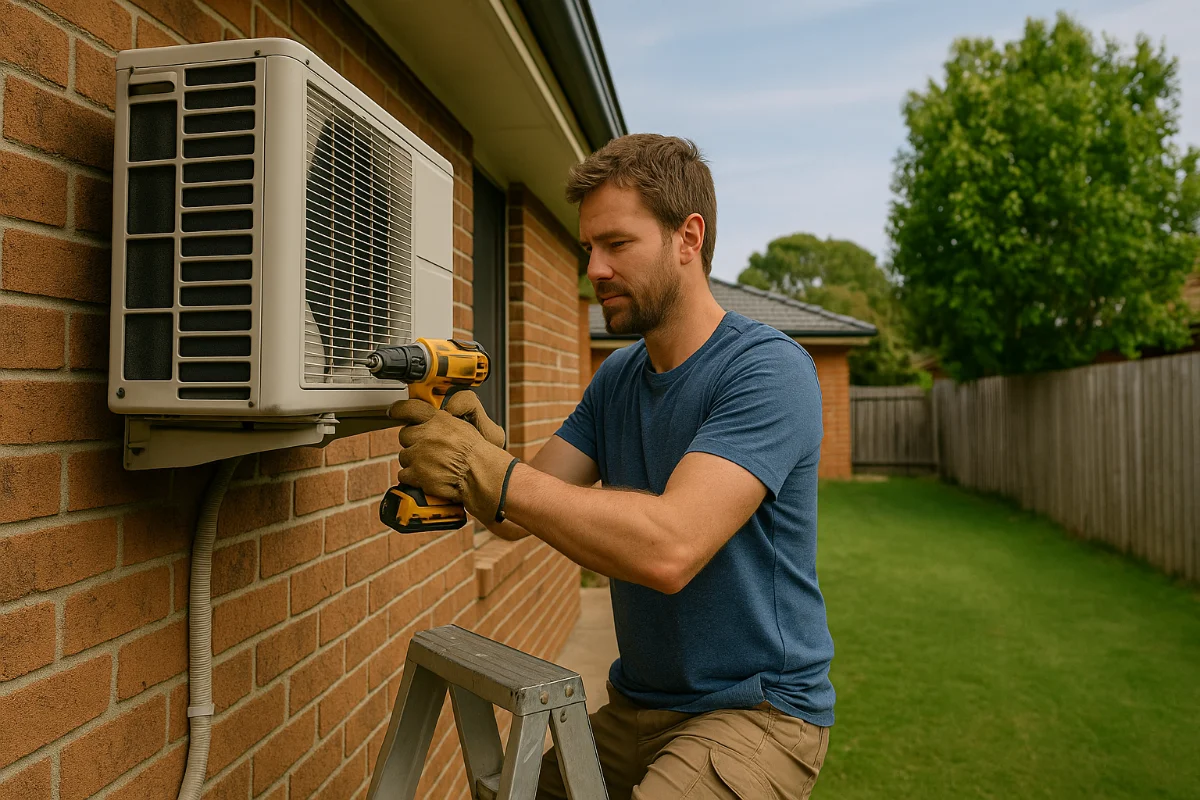
Owning a home is a little like caring for a pet crocodile—beautiful, rewarding… and occasionally unpredictable. While you won’t typically have to feed it mice, your house will demand attention, especially if you let “just one leak” slide.
In this post, we’ll walk through a routine home repairs guide tailored for Australians: what you should check, what you should fix, how to prioritise, and even how to know when to call a tradie. Think of this as your “home first aid kit” for maintenance — no jargon, no fluff, just practical tips.
Whether you’re newly minted as a homeowner or just tired of surprise bills, this is your map to staying ahead of the chaos.
Quick Overview: Snapshot Summary
- Simple, regular maintenance saves you from expensive headaches down the line.
- Focus areas: roof, gutters, plumbing, electrical, paint, pest checks — these catch 80 % of issues.
- Use a seasonal schedule (every 3, 6, 12 months) to stay organised.
- Have a “repair reserve” fund (some recommend ~1 % of home value) for surprises.
- This post is your routine home repairs guide — fill your toolbox, mark your calendar, and treat your home like the VIP it is.
Want to see how to break it down by season, build a checklist, or test what repairs suit your home? Keep reading.
Why Routine Repairs Matter (Beyond Just “Looks”)
You might think: “It’s just paint peeling — I’ll fix it later.” But small issues tend to cascade:
- A crack in the wall becomes a moisture trap → mould or rot
- A clogged gutter diverts water to the foundation → structural shifting
- Neglected electrical outlets degrade → fire risk
The Australian government encourages a regular maintenance schedule for exactly this reason: to prevent issues before they become disasters. (YourHome)
Doing routine repairs is like dental hygiene for your house — brush (check), floss (repair small), rinse (inspect). Skip it and you’ll pay.
The Annual / Seasonal Routine Home Repairs Guide
Let’s break maintenance by periodic milestones. The intervals below are suggestions; adapt them to your climate, property age, and conditions.
| Interval | Key Checks & Repairs | Why It Matters / Extra Tips |
|---|---|---|
| Monthly / Every 1–2 months | • Test smoke alarms & replace batteries (Allianz Australia) • Check plumbing for leaks (under sinks, around toilets) • Clear drains, inspect gutters for debris • Inspect electrical outlets for loose plugs or scorch marks • Lubricate door hinges & locks | Problems often start small — catching them monthly means less damage. |
| Quarterly / Every 3–4 months | • Flush rarely used taps (avoid stagnant water) • Inspect roof visually from ground • Check outdoor tap connections and hoses • Inspect windows & doors seals | The seasons shift; little changes can sneak in unnoticed. |
| Biannually / Every 6 months | • Deep-clean gutters and downpipes • Inspect and re-seal grout, tiles, wet areas • Inspect hot water system (pressure valves, leaks) • Trim trees or shrubbery near the house • Check for pest signs (termites, rodents) | These tasks protect core systems and prevent slow damage. |
| Annually / Every 12 months | • Roof inspection by a professional • Repaint or touch external paint • Check insulation & subfloor for dampness • Service HVAC or air conditioning units • Assess structural cracks or foundation issues • Replace old flexihoses and plumbing fittings (CommBank) | The big picture maintenance. Doing this yearly preserves value and prevents big failures. |
Pro Tip Box
“If you dread coming home because your gutters are full or you’re hearing creaks, that’s your soul telling you it’s time to maintenance-up.”
Common Repairs You Can (Usually) Do Yourself
With the right tools and a bit of care, many routine fixes are doable. (But if in doubt — call a licensed professional.)
Leaky Tap or Shower Head
Why it happens: Worn washers, mineral buildup, corroded seals.
Fix approach:
- Turn off water supply – Disassemble the tap, inspect O-rings or washers – Replace worn component – Reassemble & test
Cracks in Walls or Paint Chips
Why it happens: Settling, weather stress, moisture intrusion.
Fix approach:
- Clean the area – Use filler / spackle – Sand smooth – Touch up paint
Sticking Windows or Doors
Why it happens: Swelling from moisture, paint build-up, loosening hardware.
Fix approach:
- Clean tracks – Inspect screws and tighten – Use lubricant (like silicone spray) – Sand minor obstructions
Gutter Blockage
Why it happens: Leaves, debris, nests.
Fix approach:
- Use ladder safely – Remove leaves and debris – Flush with water – Consider installing gutter guards
Replace Flexihoses / Plumbing Connectors
Why it matters: Old hoses leak suddenly.
Fix approach:
- Shut off water – Remove old hose – Use new certified hose – Hand-tighten, then quarter-turn with wrench
Warning / When to call a tradie: Electric shocks, gas fitting, structural cracks, roof work — better left to experts.
Quick Guide: When Your Home Whispers “Fix Me”
Context
You return from holiday and notice damp patches under a window and a faint drip from the ceiling. What now?
Common Challenges
- “Is this urgent or can it wait?”
- “Do I have to call a plumber immediately?”
- “Will this damage escalate fast?”
How to Handle It
- Identify urgency: If water is dripping or running, it’s emergency. Act now.
- Contain damage: Use buckets, mops, towels to protect surfaces.
- Find source: Trace up from damp spots to ceiling or wall joints.
- Temporary patch: Use silicon seal, plumber’s tape, or patching materials.
- Schedule a tradesperson: Even after the patch, a proper repair is wise.
Why It Works
You stop further damage (mould, structural weakening) while buying time for a proper fix.
If you’re in a pinch and unsure — better safe than sorry.
Interactive Section: Home Maintenance Quiz
Try this quick quiz to see how your maintenance habits stack up.
How often do you do each of the following?
(0 = Never, 1 = Once a year, 2 = 2–3 times a year, 3 = Every season, 4 = Monthly)
| Task | Score |
|---|---|
| Test smoke alarms / replace batteries | |
| Inspect plumbing leaks | |
| Check and clean gutters / downpipes | |
| Inspect roof from ground | |
| Lubricate hinges / locks | |
| Check windows / door seals | |
| Look for pest droppings / damage | |
| Repaint touch-ups |
Interpretation
- 20–28: You’re maintenance-minded — keep it up!
- 10–19: Decent, but you have weak spots — pick one area to boost.
- < 10: Time to adopt a schedule. Start small and build momentum.
If you like, send me your scores and I’ll help you prioritise your next steps.
Budgeting for Routine Repairs & Hidden Dangers
Many homeowners struggle with budgeting surprises. On a forum, one person asked:
“What’s a realistic budget for yearly home maintenance?”
Someone replied: “Safe average over 10/15 years is 1% of the value of your home.” (Reddit)
That’s a ballpark — your needs may differ. The trick: set aside money monthly (e.g. 0.5–1% of home value annually), and never use it for non-maintenance expenses.
Also, beware of rogue tradies / dodgy repairs — fake fixes or overcharging is a real problem in Australia. (The Guardian) Always get multiple quotes, check licences, and don’t be bullied into a job on the spot.
Preventive Tips & Maintenance Mindset
- Do smaller tasks rather than waiting — replacing a washer is cheaper than repairing a burst pipe.
- Stay ahead of stains / marks — touch paint early before damage sets in.
- Use quality materials — cheap parts tend to fail earlier, costing more in the long run.
- Document your repairs — keep receipts, photos, and notes (good for selling or insurance).
- Walk around your home monthly with fresh eyes, like a visitor exploring.
FAQs
Q: Can I skip annual roof inspections and just fix when leaks show?
A: Not recommended. Many roof issues begin small (cracked tiles, missing seals) and grow. Annual inspections catch them early — safer and cheaper.
Q: Are all repairs DIY-friendly?
A: No. Electrical, structural, gas, load-bearing walls, or major plumbing should be handled by licensed tradespeople. DIY within your comfort and skill zone.
Q: What if I have a heritage / older home with unique issues?
A: Older homes often need special materials (e.g. lead paint, specialty timber). Consult heritage specialists or experienced trades familiar with older styles.
Q: How do I find a trustworthy tradie?
A: Ask neighbours, check trade associations (Master Builders, etc.), ask for licences and ABN, get multiple quotes. Never agree to large jobs without a written contract.
Conclusion
A consistent routine is your best weapon against surprise repair fees, mould, and structural drama. Use this post as your routine home repairs guide — build a seasonal schedule, start with bite-sized tasks, and budget for the unexpected.
Your home is your sanctuary, your investment, and (yes) your occasional headache. But with a little foresight, many of those headaches become manageable. Treat maintenance as an ongoing dialogue with your home — and your future self will thank you.
Disclaimer
This post is for informational and educational purposes only. It does not substitute professional advice. Always engage licensed tradespeople for electrical, gas, structural, or complex repairs. Use caution with DIY, and verify local building codes and standards.


Leave a Reply