


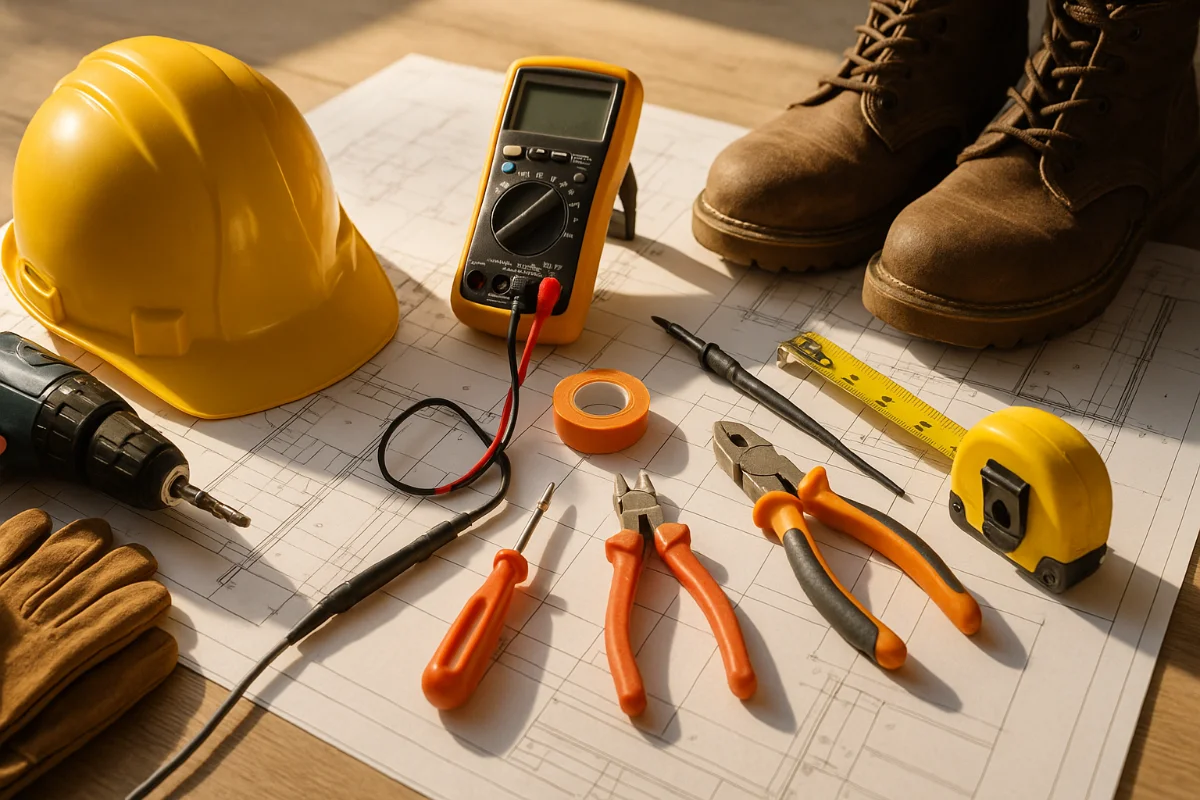
Why the Future of Specialist Trades Matters
Trades have always been the backbone of Australia’s economy. From plumbers and electricians to stonemasons and solar installers, specialist trades keep our homes, businesses, and infrastructure running. But as technology evolves, sustainability takes centre stage, and the demand for skilled labour outpaces supply, it’s clear: the future of specialist trades in Australia looks both challenging and full of opportunity.
This post explores the skills that will be most in demand, the pressures shaping the industry, and where opportunities lie for both current tradespeople and the next generation entering apprenticeships. Whether you’re a tradie in Sydney, a student in Perth, or a business owner in Melbourne, this is your roadmap to understanding where the sector is heading.
Snapshot Summary: Key Takeaways
- High demand: Australia faces a trades skills shortage, with demand expected to grow in construction, energy, and infrastructure.
- Green and digital: Sustainability and technology will reshape traditional trades.
- New opportunities: Renewable energy, smart homes, and advanced manufacturing open doors for specialist trades.
- Training gap: Apprenticeships and upskilling will be critical to fill future roles.
- Resilience: Despite automation, specialist trades remain people-focused, problem-solving careers.
Want to know what skills, demand, and opportunities mean for Australia’s future? Keep reading.
1. The Current State of Specialist Trades in Australia
Specialist trades cover a wide spectrum—electricians, plumbers, welders, HVAC technicians, carpenters, and more. They share a common trait: technical skill, practical experience, and problem-solving ability.
Right now, Australia is experiencing:
- A skills shortage, with thousands of unfilled trade positions.
- A retiring workforce, as older tradespeople leave the industry.
- Rising demand in construction, energy, and infrastructure projects.
Did You Know? According to Jobs and Skills Australia, trades like electricians, mechanics, and plumbers consistently rank in the top 20 occupations in demand nationwide.
2. The Future of Specialist Trades: Key Trends
So, what’s changing?
- Sustainability and Green Energy: Solar, wind, and battery storage systems create demand for new skill sets.
- Smart Homes and IoT: Electricians and technicians will increasingly integrate digital systems with traditional trade work.
- Infrastructure Boom: Rail, roads, and housing projects are set to drive demand for carpenters, concreters, and welders.
- Automation and Robotics: Machines will assist, not replace, specialist tradespeople—especially in dangerous or repetitive tasks.
- Globalisation of Skills: Aussie trades will need to stay competitive with international standards.
3. Skills That Will Define the Future
The future of specialist trades isn’t just about using tools—it’s about adapting to change.
Emerging Skills Needed:
- Green tech expertise: Installing and maintaining solar panels, EV chargers, and energy-efficient systems.
- Digital literacy: Using apps, diagnostic tools, and smart devices.
- Safety compliance: Navigating stricter regulations around sustainability and workplace safety.
- Customer communication: Explaining complex systems simply to clients.
- Problem-solving mindset: Flexibility to adapt when projects don’t go as planned (which is often).
Pro Tip: Tradies who combine hands-on skill with digital know-how will be the “super tradies” of the future.4. Demand Forecast: Where Jobs Will Grow
According to industry projections:
- Electricians: Critical in renewable energy projects and smart housing.
- Plumbers: Needed for sustainable water systems and major infrastructure builds.
- Welders & Fabricators: Key in advanced manufacturing and construction.
- Carpenters & Builders: Ongoing demand through housing initiatives.
- Specialist HVAC technicians: Demand rising as climate and energy efficiency become bigger issues.
Quote from Industry:
“The next decade will be one of the busiest for trades in Australian history, particularly in green infrastructure and housing supply,” says the Australian Industry Group.
5. Opportunities in Renewable Energy
Renewable energy is reshaping the trades landscape. Australia’s commitment to net-zero means massive investment in solar farms, wind projects, and battery storage.
Opportunities include:
- Installing rooftop solar for households.
- Building and maintaining large-scale renewable farms.
- EV infrastructure—charging stations will need specialist electrical installation.
- Retrofitting older buildings for energy efficiency.
6. The Challenges Ahead
Of course, the future isn’t all smooth sailing.
Common Challenges:
- Shortage of young apprentices entering the field.
- Rising cost of tools, equipment, and training.
- Navigating new regulations around green energy.
- Competition from overseas labour.
Humour break: And let’s not forget—finding a reliable tradie who arrives on time will always remain a challenge.
7. Quick Guide: Upskilling for the Future
The Situation
A mid-career electrician is worried about being replaced by technology or new regulations.
Common Challenges
- Will new green standards make my skills outdated?
- How do I stay competitive?
- Is retraining worth the cost?
How to Solve It
- Embrace Ongoing Training: Enrol in green energy and smart tech certification courses.
- Leverage Experience: Blend traditional skills with new knowledge.
- Join Industry Associations: Stay updated with policy changes.
- Network: Build relationships in emerging industries like renewables.
Why It Works
Instead of being left behind, tradespeople stay ahead of demand and position themselves as leaders in future projects.
Lesson: Upskilling isn’t optional—it’s the ticket to long-term career security.
8. Apprenticeships and the Next Generation
Attracting young people into trades is crucial. With university pathways often prioritised, the perception of trades as “second-tier” must change.
The Future Focus:
- Better wages and career growth opportunities.
- Apprenticeships that integrate digital and green skills.
- Campaigns to promote trades as rewarding, secure careers.
9. Technology in Specialist Trades
The future of specialist trades will see tech as an ally.
- Drones: Inspecting roofs, construction sites, and dangerous locations.
- Robotics: Welding, painting, and repetitive tasks.
- 3D Printing: Custom parts in construction and manufacturing.
- Software & Apps: Scheduling, diagnostics, and compliance reporting.
Did You Know? Some tradies are already using augmented reality to plan builds and visualise client projects before a single nail is hammered.
10. Why Specialist Trades Are “Future-Proof”
While automation might replace some repetitive work, trades require hands-on skill, adaptability, and human judgment—qualities machines can’t replicate.
Specialist trades will remain resilient careers in Australia. The tools may change, but the need for skilled people won’t.
Mini Quiz: Test Your Trades Knowledge
Q1. Which sector will create the most new opportunities for trades in Australia?
- A) Renewable Energy
- B) Hospitality
- C) Mining
Q2. What’s the biggest challenge for the future of specialist trades?
- A) Too many apprentices
- B) Skills shortage
- C) Too much automation
Q3. Which of these is not a future skill for tradies?
- A) Digital literacy
- B) Green tech knowledge
- C) Making coffee
(Answers: Q1—A, Q2—B, Q3—C)
FAQs: Future of Specialist Trades
Q: Will automation replace trades in Australia?
No. Technology will support, not replace, trades. Hands-on expertise, problem-solving, and customer service remain irreplaceable.
Q: Which trade has the strongest future?
Electricians and plumbers are expected to lead demand, particularly with renewable energy projects.
Q: Is it worth starting an apprenticeship now?
Yes—demand is growing, and skilled trades will be highly valued over the next decade.
Q: What role does sustainability play in trades?
A huge one. From solar panels to water efficiency, green trades are central to Australia’s environmental goals.
Q: How can current tradespeople prepare for the future?
By upskilling in green energy, digital tools, and compliance training while leveraging their existing experience.
Conclusion
The future of specialist trades in Australia is bright, dynamic, and full of opportunity. While challenges like skills shortages and training gaps remain, the rise of sustainability, smart technology, and infrastructure growth means demand for skilled tradies is only increasing.
For today’s tradespeople, the message is clear: embrace change, keep learning, and focus on adaptability. For those considering entering the field, the future looks secure, rewarding, and essential to Australia’s progress.
In short: trades aren’t just surviving—they’re thriving.
Disclaimer
This article provides general information only about the future of specialist trades in Australia. It is not career, financial, or legal advice. For tailored guidance, consult with relevant industry associations, training providers, or professional advisors.


Leave a Reply